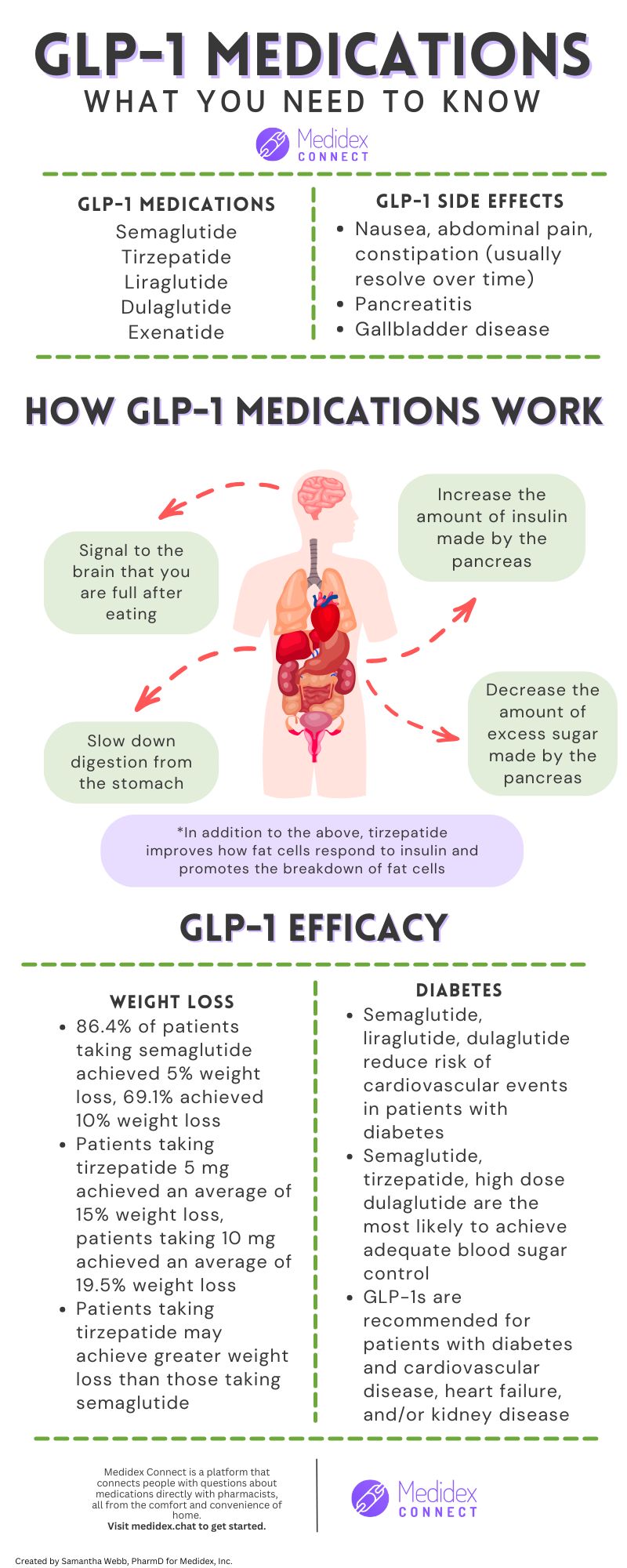
Contact your healthcare provider if you experience: Severe or persistent heartburn that does not respond to over-the-counter medications or lifestyle modifications, or that significantly impacts quality of life and daily functioning Difficulty swallowing (dysphagia) or painful swallowing (odynophagia), which may indicate esophageal inflammation, stricture, or other complications Persistent nausea and vomiting that prevents adequate food or fluid intake, raising concerns about dehydration and nutritional status Unintended weight loss beyond expected therapeutic effects, or inability to maintain adequate nutrition Chest pain that is severe, persistent, or different from typical heartburncall 911 immediately if you experience severe chest pain or symptoms suggestive of a heart attack Signs of gastrointestinal bleeding , including vomiting blood or material resembling coffee grounds, black tarry stools, or blood in stool Severe abdominal pain , particularly if localized to the upper abdomen and radiating to the back, which could indicate pancreatitisa rare but serious adverse effect of GLP-1 receptor agonists Right upper quadrant pain, fever, or yellowing of the skin or eyes , which could indicate gallbladder disease, a known potential complication of weight loss and GLP-1 receptor agonist therapy According to American College of Gastroenterology guidelines, patients with alarm features or those whose symptoms persist despite an 8-week trial of daily PPI therapy should be referred for endoscopic evaluation

Diabetes prescriptions may be more stable and predictable, while obesity-related prescriptions can involve more frequent dose adjustments, therapy initiation, and discontinuation
Exercise also helps preserve lean muscle mass during weight loss, which is metabolically active tissue that contributes to heat production
See the pooled clinical-trial evidence here