Haematological symptoms are among the earliest manifestations and include: Fatigue and generalised weakness Pallor due to anaemia (which may be macrocytic, though this is not universal) Shortness of breath on exertion Palpitations or tachycardia Neurological symptoms can be particularly concerning and may include: Peripheral neuropathy with tingling, numbness, or burning sensations in the hands and feet (paraesthesia) Loss of vibration sense and proprioception Ataxia and difficulty with balance or coordination Cognitive impairment, including memory problems and difficulty concentrating Mood disturbances, including depression and irritability In patients with diabetes, distinguishing between diabetic neuropathy and B12 deficiency-related neuropathy can be challenging, as both conditions may coexist
The Bonus: The data also showed significant reductions in knee pain for patients with osteoarthritis
We also provide patients with the full Emsuite, including Emface, Emsculpt NEO, and Emsella
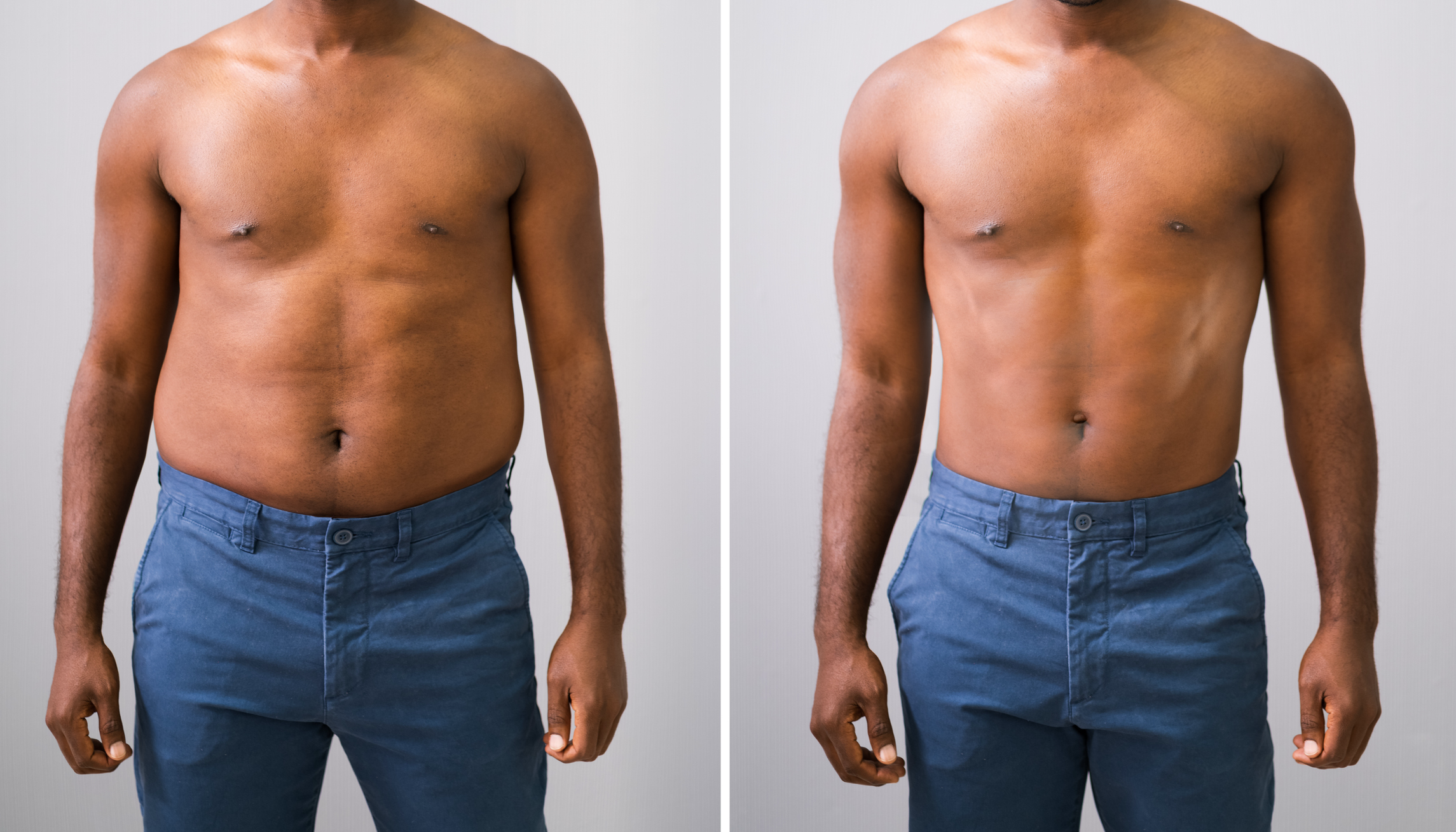
The Science: Why Belly Fat Is Harder to Lose There are two types of fat in the midsection: Subcutaneous fat (soft belly fat under the skin): The kind you can pinch Stores energy but isnt as dangerous Responds to long-term lifestyle change May reduce with calorie deficit, strength training, and metabolic support Visceral fat (fat stored inside the abdomen, around your organs): inside the abdomen, around your organs): You cant grab it but it makes your waist look wider, bloated, or hard Its inflammatory, metabolically risky, and associated with high cortisol and insulin resistance Hormonally protected, meaning your body fights to keep it under stress Slower to lose and usually the last to go Your body stores visceral fat as a survival mechanism