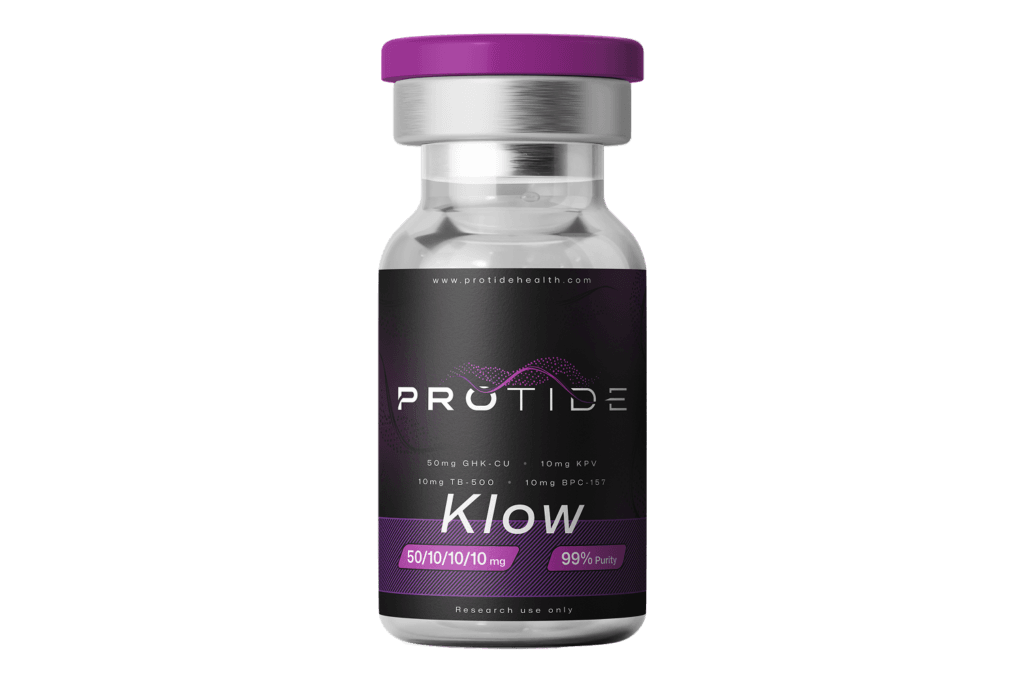
Scientific Background on BPC-157 (Body Protection Compound-157) BPC-157 is a stable synthetic pentadecapeptide derived from a protective protein in human gastric juice
As a potent triple monoamine reuptake inhibitor (MRI), Tesofensine is a premier tool for investigating the simultaneous modulation of dopamine, norepinephrine, and serotonin pathways
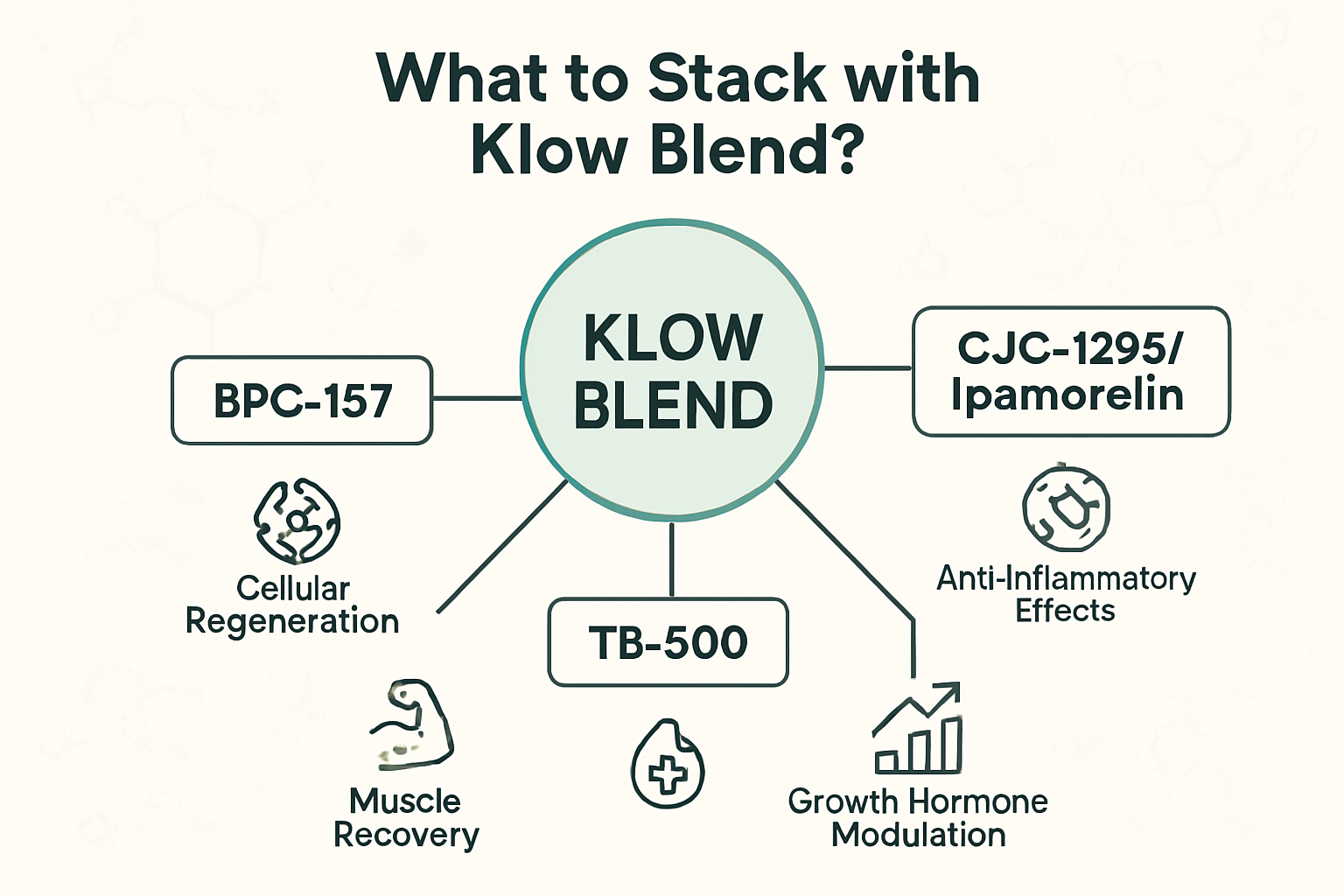
Where they overlap and where they don't Complementary Mechanism Targets Target Origin BPC-157 Gastric juice protein fragment (15 amino acids) TB-500 Thymosin Beta-4 fragment (LKKTETQ region) Target Primary action BPC-157 Local tissue repair signaling TB-500 Systemic cell migration and mobilization Target Angiogenesis BPC-157 VEGF upregulation, NO pathway TB-500 Endothelial migration, VEGF crosstalk Target Cell migration BPC-157 Indirect, via growth factors TB-500 Direct (G-actin sequestering) Target Best-evidence tissue BPC-157 Tendon, gut, gastric mucosa (preclinical) TB-500 Cardiac, corneal, skin (preclinical + early human T4) Target Reported in vivo half-life BPC-157 ~4 hours (animal estimates) TB-500 ~23 days (animal estimates) Half-life figures are pharmacokinetic estimates from animal studies
Nothing in this article constitutes a claim that any compounded product is clinically proven, has been evaluated in clinical trials, or produces the same results as any FDA-approved drug





:max_bytes(150000):strip_icc()/GettyImages-1299286851-18ab6e02931940ad963dda93851b6dc7.jpg)