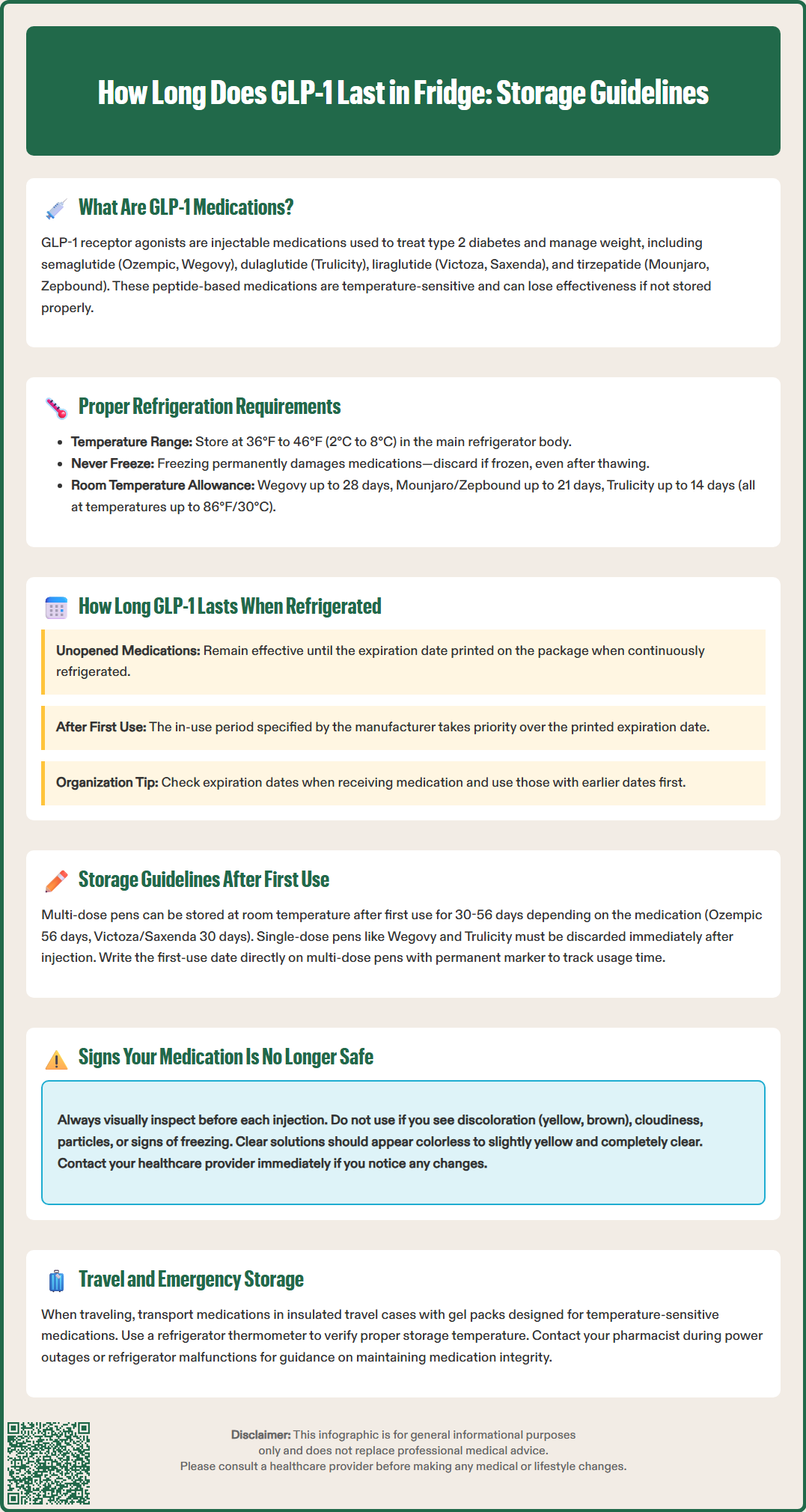
Peptide structure and stability What peptides are: Chains of amino acids Held together by peptide bonds Specific 3D structure required for function Fragile molecules compared to small molecule drugs Why peptides are unstable: Peptide bonds susceptible to hydrolysis (water breaks bonds) Oxidation damages certain amino acids Temperature accelerates degradation Light exposure causes photo-degradation pH changes denature structure Bacterial contamination introduces enzymes that break peptides Degradation mechanisms: Temperature's exponential effect: Every 10C temperature increase roughly doubles degradation rate Room temperature (25C): Rapid degradation (days) Refrigerated (2-8C): Slow degradation (weeks-months) Frozen (-20C): Very slow degradation (years) Ultra-frozen (-80C): Minimal degradation (5+ years) Learn peptide fundamentals at SeekPeptides - explore what are peptides , how peptides work , and getting started with peptides

As shown in Figure 7B, in the glutathione metabolic pathway, Cyp4f18, Cyp2b13, Ltc4s, Pla2g4f , Alox15 , and Cyp2c40 genes were significantly upregulated
Acetyl L-Carnitine helps direct the body to use fatty acids as a source of energy, rather than for storage, and hence helps support overall energy levels, exercise performance, and recovery
Rather than directly suppressing inflammation or repairing tissue, it works at the level of immune system regulation, promoting the development and function of regulatory T cells that keep autoimmune responses in check